Spearmint
Soft, sweet, green, and flexible. Choose it for tabbouleh, peas, yogurt sauces, chutneys, salads, summer rolls, and everyday garnishes.
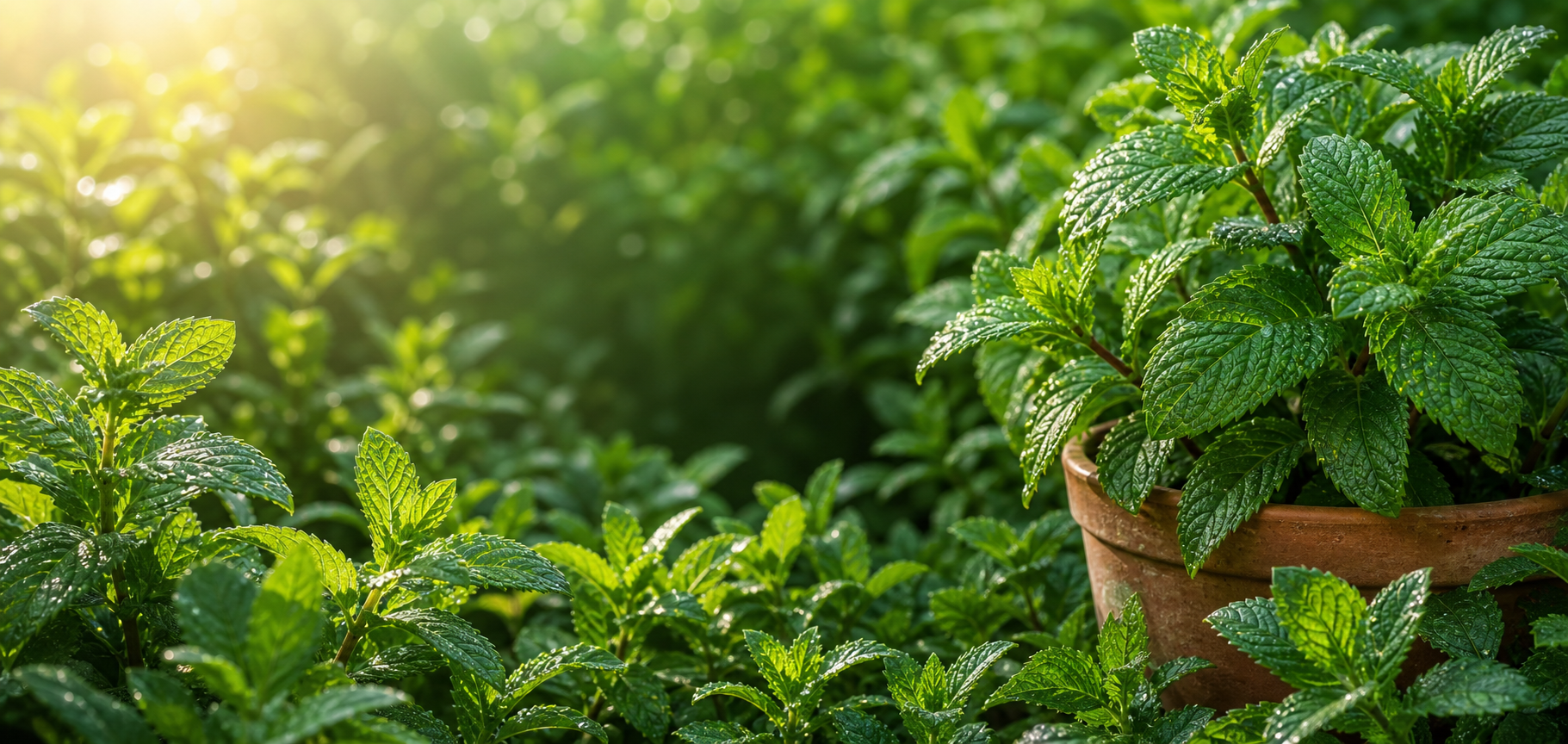
Mint Varieties
Mint is not one single flavor. It is a family of cool, green, fruity, spicy, sweet, wild, and resinous aromas, and each variety changes how a drink, sauce, salad, dessert, or garden bed feels.
Botanically, mint can be tangled: many plants hybridize, many nursery labels are casual, and two pots with the same common name may taste slightly different. The practical cook's method is simple. Rub a leaf, smell it, taste a tiny clean piece if it is sold as edible mint, then decide whether it is sweet, cooling, fruity, spicy, grassy, or decorative. The right mint is the one that makes the food feel clearer.
Soft, sweet, green, and flexible. Choose it for tabbouleh, peas, yogurt sauces, chutneys, salads, summer rolls, and everyday garnishes.
Cooler, sharper, and more menthol-forward. Use it when chocolate, cream, hot tea, syrups, or candies need a clear mint signal.
Rounded, plush, and gentle. Excellent with melon, berries, iced tea, lemonade, fruit salad, and soft fresh desserts.
Orange, pineapple, chocolate, ginger, and mojito mints are fun when you want a small aromatic accent rather than a whole recipe foundation.
Flavor Map
Most kitchen decisions become easier when you stop asking "Which mint is best?" and start asking "What kind of freshness does this dish need?" Spearmint makes food taste greener. Peppermint makes food taste cooler. Apple mint makes fruit feel rounder. Orange and chocolate mints add fragrant top notes. Mountain mint and other native relatives can bring beauty and pollinator value even when they are not the first choice for the dinner plate.
Culinary Core
If you only grow two pots, grow spearmint and peppermint. Spearmint is the friendly, everyday herb. Peppermint is the dramatic one: bold, cooling, and best used with intention. A third pot, often sold as mojito mint, can be useful if you make many drinks and want a milder leaf that muddles cleanly.
Spearmint is the mint most cooks reach for without thinking. Its flavor is sweet, green, lightly peppery, and less icy than peppermint. It supports savory food beautifully because it refreshes without taking over.
Peppermint is usually higher in menthol, so it tastes cooler and stronger. That makes it wonderful in steeped preparations where the leaves can perfume liquid, but too forceful for delicate salads if used heavily.
Mojito mint is prized for a rounded, less aggressive flavor in cold drinks. It is not limited to one cocktail: it is a good patio mint for limeade, cucumber coolers, fruit spritzes, and simple syrups.
Soft & Fruity
These mints are especially charming when the leaf itself matters. Their appeal is fragrance more than force: they make fruit salads more aromatic, drinks more layered, and simple yogurt or cream desserts feel freshly gathered.
| Apple mint | Also called woolly mint in some contexts. Rounded, softly fruity, and slightly fuzzy-leaved. Good with melon, peaches, berries, iced tea, and mild cheeses. |
|---|---|
| Pineapple mint | A variegated form often grown as much for its cream-edged leaves as for flavor. Pretty in containers and gentle in fruit cups, pitchers, and garnishes. |
| Orange mint | Fragrant, citrusy, and floral. Lovely with grapefruit, orange, stone fruit, roasted carrots, tea blends, and syrups where a perfumed note is welcome. |
| Ginger mint | Bright and lightly spicy, often with variegated leaves. Use sparingly with chutneys, fruit relishes, iced tea, and Southeast Asian-inspired salads. |
Dessert Mints
Chocolate mint is popular because the name promises a whole dessert. The real plant is subtler: it smells like mint with a rounded cocoa echo, especially when rubbed. It is beautiful with dark chocolate, coffee, vanilla, berries, cream, and warm spices, but it still tastes like an herb. For the most classic mint-chocolate flavor, peppermint usually gives the stronger result.
Steep mint in warm cream, milk, syrup, or tea, then strain. Infusion gives a cleaner flavor than leaving chopped leaves in rich desserts, where the texture can become distracting.
Global Herbs
The wider mint family includes many fragrant herbs with square stems and aromatic leaves. They can be wonderful, but they do not always behave like spearmint in a recipe. Treat them as their own ingredients: smell first, use a light hand, and match them to the cuisines where they traditionally shine.
Also known as anise hyssop or Korean licorice mint depending on the plant being sold. Often more licorice, basil, or anise-like than classic mint. Good in teas, herb salads, and pollinator gardens.
Commonly used for Vietnamese coriander, which is not true mint. It brings peppery, citrusy heat to soups, salads, summer rolls, and noodle bowls.
A Mediterranean herb with minty, savory, oregano-like notes. Better in bean dishes, vegetables, and herb blends than in sweet mint desserts.
A mint-family herb with basil, clove, citrus, and cumin-like complexity. Use with rice, pickles, fish, fruit, and cold noodles rather than as a direct spearmint substitute.
Ornamental & Native
A beautiful mint planting can be culinary, ornamental, ecological, or all three. Native mountain mints are especially valuable in pollinator-minded gardens. Corsican mint can make a tiny fragrant mat in mild, moist conditions. Variegated mints add contrast in pots. The key is to separate "beautiful and fragrant" from "best for eating by the handful."
Native mountain mints are excellent for pollinators and often have silvery bracts, clustered flowers, and a strong minty aroma. They are usually better treated as garden plants and occasional herbal accents than as a direct replacement for culinary spearmint.
A low, tiny-leaved mint famous for fragrance underfoot in suitable climates. It wants moisture and shelter, and it is more of a specialty groundcover than a practical kitchen harvest plant.
Pineapple mint, ginger mint, and other variegated selections brighten containers. Their flavor can be milder than plain green culinary mints, so use them where appearance and aroma both matter.
Buying & Labeling
Mint names can be messy because plants cross, nurseries use attractive common names, and local traditions overlap. A label is a clue, but the leaf is the evidence. When buying for food, choose plants clearly sold as edible herbs from a trusted nursery or grocery source. Then smell the leaves and imagine where that aroma belongs.
Kitchen Pairing
The strongest mint is not always the best mint. A delicate fruit salad may want apple mint. A chocolate tart may want peppermint. A yogurt sauce may want spearmint. A citrus soda may want orange mint or mojito mint. Use the table as a starting point, then taste.
| Savory salads | Spearmint, mojito mint, Vietnamese mint for peppery dishes, small amounts of ginger mint. |
|---|---|
| Yogurt sauces | Spearmint for raita, tzatziki, and herb yogurt; peppermint only if you want a much cooler sauce. |
| Fruit desserts | Apple mint, pineapple mint, orange mint, spearmint, and small tender leaves from mild specialty plants. |
| Chocolate | Peppermint for the classic flavor; chocolate mint for a softer herbal cocoa aroma. |
| Hot tea | Peppermint for a bold cup, spearmint for a gentle cup, apple mint for a soft garden infusion. |
| Cold drinks | Mojito mint, spearmint, orange mint, apple mint, and peppermint in small amounts for extra chill. |
| Herb blends | Spearmint with parsley, cilantro, dill, basil, chives, lemon balm, or tarragon depending on the dish. |
Safety Notes
Common culinary mints from reputable food and herb sources are everyday kitchen plants. The caution is with misidentified, wild, medicinal, or ornamental plants. Do not assume every mint-scented leaf is safe to eat, and do not use plants treated with ornamental pesticides as food.
Pennyroyal appears in old herbals and may be sold as an ornamental or historical herb, but it is not a safe substitute for spearmint, peppermint, or other common culinary mints. Keep it out of food, tea, syrups, and garnishes.
The Best Mint
Grow spearmint for generosity, peppermint for clarity, apple mint for softness, and one specialty mint for delight. Keep each in its own pot, harvest the youngest leaves, and let aroma lead the choice. Mint rewards curiosity more than rules.